

WHY ACL
INJURIES HAPPEN
Most ACL tears are not accidents — they're the result of predictable biomechanical patterns, muscle imbalances, and movement habits that can be identified and corrected.
IT'S NOT BAD LUCK.
IT'S MECHANICS.
The ACL tears when the forces acting on it exceed its tensile strength — roughly 2,000 Newtons, or about 450 lbs of force. In everyday soccer movements, the ACL routinely handles loads close to this limit.
What pushes it over the edge is a combination of poor movement mechanics, muscle imbalances, and neuromuscular deficits — all of which are trainable. Research shows that structured prevention programs can reduce ACL injury rates by 50% or more.
Understanding why injuries happen is the first step toward preventing them.
Forces Acting on the ACL During a Cut
Relative contribution to ACL loading during a 45° cut at game speed. Combined forces can exceed the ACL's failure threshold in under 50 milliseconds.
HIGH-RISK MOVEMENT SCENARIOS
Select a movement type to see the specific biomechanical stressors and how they contribute to ACL injury risk.
SHARP CUT
A sudden lateral cut — especially when the planted foot is too far in front of the body — creates massive rotational torque on the knee. The ACL resists this rotation, and if the force exceeds its tensile strength, it tears.
Soccer Context
Common when receiving a through-ball and cutting away from a defender. Proper hip loading and foot placement can reduce risk by up to 50%.
Biomechanical Stress Factors
Relative contribution to ACL stress in this scenario. Higher % = greater load on the ligament.
6 PRIMARY RISK FACTORS
Tap any card to expand the full explanation. Most of these factors are directly addressable through targeted training.
THE QUAD-HAMSTRING
IMBALANCE PROBLEM
Soccer players develop powerful quadriceps through constant sprinting and kicking. But the hamstrings — which protect the ACL by resisting forward shin movement — often lag behind.
A healthy quad-to-hamstring ratio is 0.6 or higher (hamstrings at least 60% as strong as quads). Many youth soccer players test at 0.4–0.5, leaving the ACL significantly under-protected.
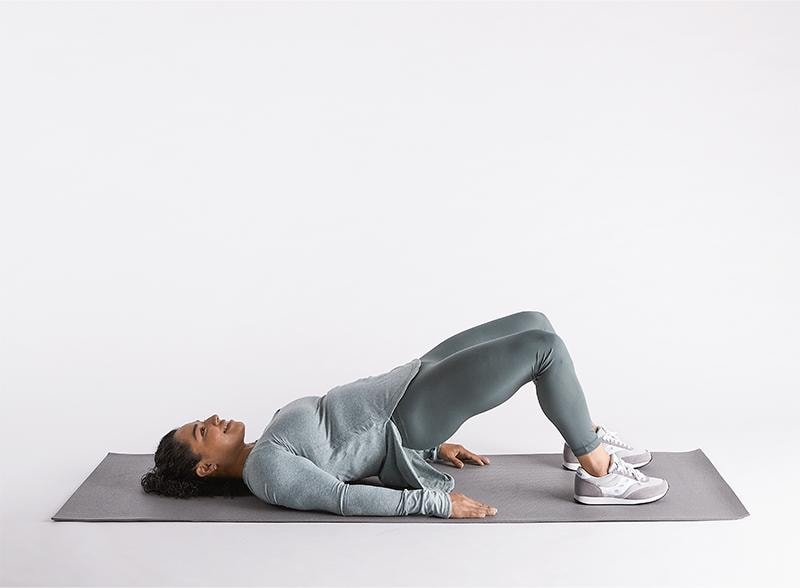
It's important to strengthen the hamstring, in order to prevent imbalance amongst the leg's key muscles.
MOST RISK FACTORS
ARE TRAINABLE
Unlike anatomical factors (bone structure, ligament size), the majority of ACL risk factors respond directly to targeted training. Here's where to start.
Strengthen the Posterior Chain
Nordic curls, Romanian deadlifts, and single-leg hip hinges build the hamstring strength needed to protect the ACL during deceleration.
See exercisesTrain Landing Mechanics
Practice soft-knee landings, two-foot and single-leg progressions, and jump-to-land sequences until proper mechanics become automatic.
Landing drillsBuild Hip & Core Stability
Strong hip abductors and external rotators prevent knee valgus. Side-lying clamshells, lateral band walks, and single-leg squats are key.
Soccer drillsREADY TO ADDRESS
YOUR RISK FACTORS?
Now that you understand why ACL injuries happen, explore the prevention exercises and soccer-specific drills designed to directly target these risk factors.